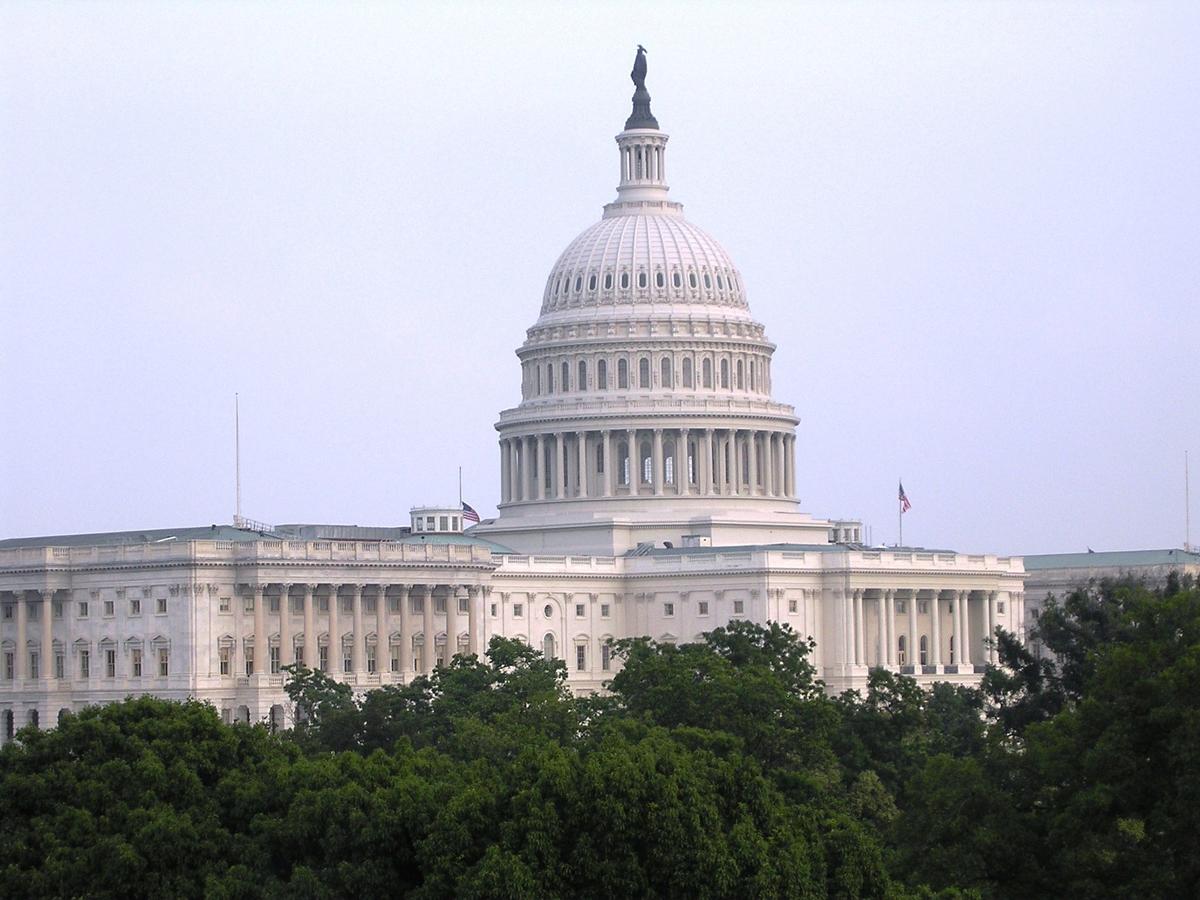
EB-1A Success Stories: How Researchers Got Their Green Card
The EB-1A visa category represents one of the most prestigious pathways to permanent residency in the United States. Designed for individuals with extraordinary ability in sciences, arts, education, business, or athletics, this employment-based first preference visa allows researchers and academics to pursue their American dream without employer sponsorship. Understanding real success stories provides invaluable insights into what makes a compelling petition.
According to USCIS, applicants must demonstrate extraordinary ability through sustained national or international acclaim and must continue to work in their area of expertise in the United States. The challenge lies not just in meeting the criteria but in presenting evidence strategically.
Understanding the EB-1A Requirements
Before examining specific success stories, researchers must understand the fundamental requirements. The EB-1A category demands that applicants meet at least three of ten criteria established by USCIS, or demonstrate receipt of a major internationally recognized award, such as a Nobel Prize. Most researchers build their cases around the ten-criterion framework.
These criteria serve as the foundation for building a strong petition. Successful researchers typically focus on their strongest areas rather than attempting to barely meet multiple criteria. Quality of evidence matters more than quantity.
Success Story: The Biomedical Researcher
Dr. Chen arrived in the United States on an H-1B visa to work at a prominent research institution. With five years of postdoctoral experience and 18 peer-reviewed publications indexed on PubMed, she decided to pursue her EB-1A petition independently. Her research focused on novel cancer immunotherapy approaches, and her work had been cited over 400 times.
Dr. Chen strategically identified five criteria where she had compelling evidence:
Original scientific contributions demonstrated through citation analysis and adoption of her methodologies by other laboratories
Authorship of scholarly articles in high-impact journals with documented influence
Peer review activities for multiple prestigious journals in her specialty
Awards including a competitive young investigator grant and best poster presentation at an international conference
Membership in a selective professional society requiring peer nomination
The key to her success lay in the supporting documentation. Rather than simply listing publications, she included a detailed narrative explaining how her research advanced the field. She obtained eight recommendation letters from independent experts who could attest to her contributions without having directly collaborated with her. Each letter specifically addressed multiple criteria and provided concrete examples of her impact.
Her petition was approved without a Request for Evidence (RFE) within four months. The adjudicator noted the clear documentation of sustained acclaim and the compelling narrative connecting her achievements to extraordinary ability.
Success Story: The Computer Science Researcher
Dr. Patel's case illustrates a different pathway. Working in artificial intelligence and machine learning, he had fewer traditional publications than Dr. Chen but demonstrated impact through different metrics. His research appeared in top-tier conference proceedings, and he had developed algorithms now widely used in industry applications.
Dr. Patel's petition centered on:
Original contributions evidenced by adoption of his algorithms by major technology companies and citation in patents
Authorship in selective conference proceedings with documented acceptance rates below fifteen percent
Judging work through program committee service for major conferences affiliated with IEEE
Media coverage in technology publications discussing his research breakthroughs
High remuneration as evidenced by salary comparisons within his specialty
Dr. Patel faced an initial RFE questioning whether computer science conference papers carried the same weight as journal articles. His response included expert letters explaining field-specific publication norms, citation metrics demonstrating impact, and evidence that conference papers in computer science often represent more cutting-edge research than journal articles due to publication timelines.
His petition was approved after the RFE response. The case demonstrates that understanding field-specific norms and effectively communicating them to USCIS adjudicators proves critical for success.
Success Story: The Early-Career Physicist
Dr. Rodriguez's case challenges the misconception that only senior researchers can qualify for EB-1A. With just three years post-PhD, she successfully obtained her green card by emphasizing quality over quantity. Her research in quantum computing had resulted in only eight publications, but these appeared in Nature and other top-tier venues.
Her strategy focused heavily on demonstrating the significance of her contributions rather than volume. She documented:
Original contributions with letters from Nobel laureates explaining the theoretical importance of her work
Selective authorship in journals with rejection rates exceeding ninety percent
Media coverage in both scientific press and mainstream publications
Awards including a prestigious early-career fellowship with documented selectivity
Peer review invitations from leading journals despite her early career stage
Dr. Rodriguez's petition succeeded because she established that extraordinary ability does not require decades of experience when the quality and impact of contributions demonstrate sustained acclaim. Her expert letters specifically compared her trajectory to typical career progressions, establishing that her achievements were extraordinary for any career stage.
Common Success Factors Across All Cases
Analyzing multiple successful EB-1A petitions reveals consistent patterns that researchers can learn from. These commonalities transcend specific fields and career stages.
First, successful petitioners invest significant time in obtaining high-quality recommendation letters. Rather than simply asking colleagues to write generic letters, they provide recommenders with detailed information about the EB-1A criteria and specific achievements to address. The most effective letters come from recognized authorities in the field who can place the beneficiary's work in broader context.
Second, they document impact comprehensively. Citations represent just one metric. Successful researchers show how their work has been adopted, applied, or built upon by others. They include evidence of their methods being incorporated into textbooks, commercial products, clinical guidelines, or standards. This tangible demonstration of influence strengthens the case considerably.
Third, they contextualize their achievements within their field. USCIS adjudicators may not be experts in quantum physics or computational biology. Successful petitions explain what makes certain journals prestigious, why particular awards are selective, or how citation counts compare to field norms. They educate the reader while presenting evidence.
Strategic Documentation Approaches
The organization and presentation of evidence significantly impacts petition outcomes. Successful researchers treat their EB-1A petition as they would a major grant application: with meticulous attention to detail and clear logical flow.
Effective petitions begin with a comprehensive cover letter that presents a cohesive narrative. This letter does not merely list credentials but weaves them into a compelling story of extraordinary achievement. It explicitly connects each piece of evidence to specific criteria and explains why the totality demonstrates sustained acclaim.
Evidence organization follows a logical structure. Many successful petitioners organize exhibits by criterion, with clear tabs and indices. Each section includes not just raw documentation but also explanatory statements that guide the adjudicator through the evidence. For complex technical achievements, they include simplified explanations alongside detailed expert letters.
When preparing documentation, professional document preparation services can help researchers organize their petition letter and exhibit index according to USCIS expectations while maintaining the technical accuracy essential for scientific cases.
Overcoming Common Challenges
Even strong candidates encounter obstacles during the EB-1A process. Understanding how successful petitioners addressed these challenges provides valuable lessons.
One frequent challenge involves establishing independent expert letters. Many researchers initially approach close collaborators or advisors, but USCIS values letters from experts with no direct professional relationship to the beneficiary. Successful petitioners identify prominent researchers whose work they have cited or who have cited their work, then respectfully request letters that assess their contributions from an independent perspective.
Another challenge concerns demonstrating judging work when peer review is anonymous. Successful researchers request formal letters from journal editors confirming their review activities, specifying the number of manuscripts reviewed and the journal's prestige. Some also include evidence of serving on conference program committees or grant review panels, which are typically not anonymous.
Field-specific documentation challenges require creative solutions. Computer scientists address publication venue selectivity through acceptance rate data and expert letters. Clinical researchers supplement traditional citations with evidence of clinical practice guideline inclusion. Engineers document patents and commercial implementations. The key lies in understanding what constitutes impact in each specific discipline.
Timeline and Planning Considerations
Successful EB-1A petitioners typically begin planning well before filing. They strategically build their profiles by accepting peer review invitations, seeking awards and fellowships, joining selective professional societies, and documenting the impact of their work systematically.
The actual petition preparation usually requires three to six months of focused effort. This timeline includes identifying appropriate recommenders, drafting and refining letters, compiling evidence, writing the petition letter, and organizing exhibits. Rushing this process often results in weaker petitions or overlooked evidence.
After filing, processing times vary. Researchers should consult official USCIS resources for current processing estimates. Premium processing, when available for the category, can expedite adjudication. Regardless of timeline, successful petitioners maintain detailed records of all evidence and correspondence throughout the process.
Learning from Requests for Evidence
Not all successful cases receive immediate approval. Many researchers receive Requests for Evidence but ultimately succeed by addressing USCIS concerns comprehensively. Understanding common RFE issues helps strengthen initial petitions.
Typical RFEs question the sustained nature of acclaim, the independence of recommendation letters, or the significance of documented achievements. Successful responses provide additional evidence, clarify field-specific norms, and directly address each concern raised. Rather than simply submitting more documents, they craft targeted arguments that respond to the adjudicator's specific questions.
Some RFEs request evidence of continued work in the field or documentation that achievements represent sustained acclaim rather than isolated accomplishments. Researchers successfully address these concerns by showing ongoing impact through recent citations, continued publication activity, new awards or recognitions, or evidence that their earlier contributions remain influential.
The Role of Field Norms and Context
Different academic fields have distinct publication cultures, collaboration patterns, and impact metrics. Successful EB-1A petitioners recognize these differences and explicitly educate USCIS adjudicators about their field's norms.
In mathematics and theoretical physics, for example, publication volume typically remains lower than in experimental sciences, but citation half-lives are longer. Successful mathematicians emphasize the lasting influence of their work and the selectivity of their publication venues. They document how long their papers continue to be cited, demonstrating sustained impact.
In rapidly evolving fields like artificial intelligence, conference publications may carry more prestige than journals. Successful computer scientists provide data on conference acceptance rates, program committee composition, and citation patterns that establish conference papers as primary research contributions in their field.
Clinical researchers face unique challenges in demonstrating original contributions when their research directly serves patient care. Successful clinical researcher petitions document how their work changed treatment protocols, was incorporated into clinical guidelines, or influenced medical practice beyond their immediate institution.
Building a Strong Citation Analysis
While citations alone do not guarantee EB-1A approval, they represent important evidence of impact. Successful petitioners present citation data strategically, contextualizing raw numbers within field norms and demonstrating quality as well as quantity.
Effective citation analyses include overall citation counts, h-index values, and field-normalized metrics. They compare the researcher's metrics to peers at similar career stages and to established leaders in the field. They identify highly cited individual papers and explain their significance. They document citations from research groups at prestigious institutions or in different countries, demonstrating international impact.
Successful petitioners also look beyond simple citation counts. They document whether their methodologies have been adopted as standard approaches, whether their datasets are widely used by other researchers, or whether their theoretical frameworks have generated new research directions. This qualitative analysis of impact strengthens the quantitative citation evidence.
Media Coverage and Professional Recognition
Published material about a researcher's work provides compelling evidence of sustained acclaim beyond the immediate research community. Successful petitioners actively document media coverage and professional recognition throughout their careers.
Media coverage encompasses university press releases, articles in scientific publications like Nature News or Science magazine, features in mainstream media outlets, interviews, and professional blog posts discussing the researcher's work. Successful petitioners maintain a comprehensive file of such coverage with clear documentation of publication circulation or website traffic to establish the reach of the coverage.
Professional recognition includes invited lectures at prestigious institutions, keynote speaking invitations, named lectureships, and featured presentations at major conferences. These invitations demonstrate that the researcher is recognized as an authority whose insights other professionals seek out.
Awards and Fellowships Strategy
Awards and prizes for excellence constitute one of the most straightforward EB-1A criteria, but not all awards carry equal weight. Successful petitioners focus on documenting the selectivity and prestige of their awards rather than simply listing every recognition received.
For each award, effective petitions include documentation of the selection criteria, number of nominees or applicants, selection committee composition, and past recipients. This context establishes that the award recognizes true excellence rather than participation or general eligibility. Awards requiring peer nomination or evaluation carry more weight than those open to self-nomination without rigorous review.
Competitive fellowships, particularly those with low acceptance rates and national or international scope, provide strong evidence. Successful petitioners document fellowship selectivity through acceptance rates, funding amounts compared to peers, and the distinction of other fellows in the same program.
Membership in Professional Societies
The membership criterion requires that associations judge outstanding achievements as a condition for membership. Many professional societies have open membership available to anyone in the field, which does not satisfy this criterion. Successful petitioners focus on selective memberships that require peer nomination, election, or demonstrated excellence.
Examples of qualifying memberships include fellow status in professional societies, membership in honor societies that require invitation based on accomplishments, and election to academies or institutes with selective criteria. Documentation should clearly establish the selection process, membership requirements, and the distinction of other members.
Some researchers strategically pursue such memberships while building their EB-1A cases. They identify appropriate societies, work toward meeting membership criteria, and obtain nominations from established members. This proactive approach strengthens their eventual petitions.
The Importance of Continued Work
EB-1A approval requires that the researcher intends to continue working in their area of extraordinary ability in the United States. This requirement goes beyond simply maintaining employment. Successful petitions document ongoing research programs, future projects, collaborations, and continued contributions to the field.
Evidence of continued work includes pending publications, active grants, ongoing collaborations, invitations for future presentations, and descriptions of research programs in progress. Some successful petitioners include statements from their institutions confirming continued research appointments and describing planned research activities.
This element becomes particularly important when there are gaps in publication dates or when researchers are transitioning between institutions. Clear documentation of continued active research addresses potential concerns about whether past acclaim remains relevant to future contributions.
Frequently Asked Questions
How many citations do I need for EB-1A approval?
There is no specific citation threshold for EB-1A approval. USCIS evaluates citations within the context of your field, career stage, and the totality of evidence presented. Some researchers succeed with fewer than 200 citations in highly specialized fields, while others in larger fields may need significantly more. What matters most is demonstrating that your citation impact is extraordinary compared to peers and that your work has influenced your field beyond simple citation counts.
Can I apply for EB-1A without a job offer?
Yes, EB-1A is a self-petition category that does not require employer sponsorship or a specific job offer. You must demonstrate intent to continue working in your area of extraordinary ability in the United States, but you can file the petition independently. This represents a significant advantage over other employment-based categories. Many researchers file their EB-1A petitions while already working in the United States on other visa statuses such as H-1B or O-1.
How long does the EB-1A process take?
Processing times vary depending on the service center handling your petition and current USCIS workload. Petitions typically take several months to over a year for adjudication. Premium processing may be available for an additional fee, reducing the initial decision time to approximately 15 business days. For current processing times, check the USCIS website directly, as these timelines change frequently and vary by service center.
Should I hire an attorney for my EB-1A petition?
While not legally required, many researchers benefit from professional guidance given the complexity of EB-1A petitions. An experienced immigration attorney can help identify your strongest criteria, strategize evidence presentation, and respond effectively to any requests for evidence. Some researchers successfully file pro se (without an attorney) by thoroughly researching requirements and carefully documenting their cases. The decision depends on your comfort with the process, the strength and clarity of your evidence, and your ability to present a compelling narrative.
What happens if my EB-1A petition is denied?
If your petition is denied, you can file a motion to reconsider or reopen with the same USCIS office, file an appeal with the Administrative Appeals Office, or prepare and submit a new petition addressing the reasons for denial. Many researchers strengthen their cases after denial by obtaining additional evidence, securing more compelling recommendation letters, or better documenting the significance of their achievements. A denial does not preclude future EB-1A applications or alternative immigration pathways such as EB-2 National Interest Waiver.
Do you need an expert to review and edit your manuscript?
Best Edit & Proof expert editors focus on proper scholarly tone. Visit our service page or order page. Click here to see how it works.
24/7 customer support | Live support
Contact us at our contact page or via WhatsApp.
Stay tuned for updated information!
Follow us on Twitter, LinkedIn, Facebook, Instagram, Medium. More posts here.
© All rights reserved. This content may not be copied, republished, or distributed without written permission. If you wish to reference this article, you must include a direct link to the original source. Unauthorized use constitutes copyright infringement.